Oddities
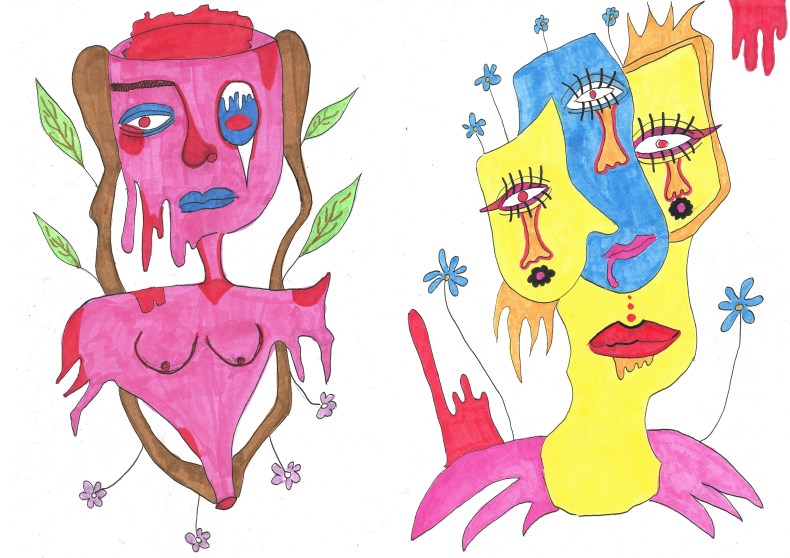
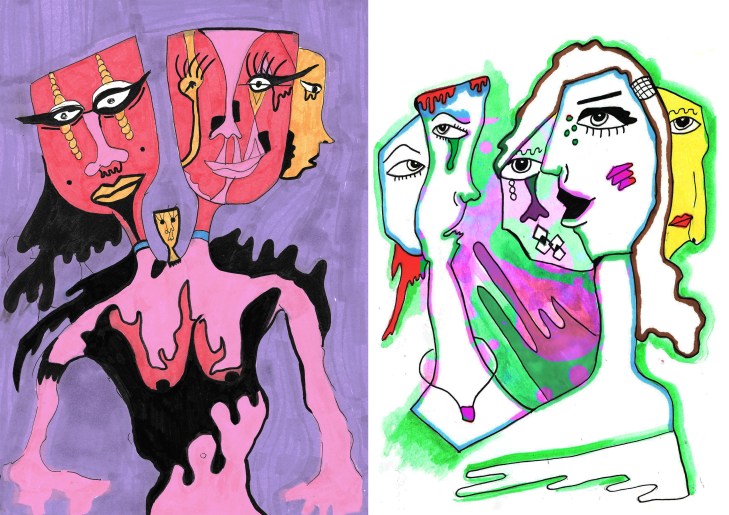
I have chosen this subject, because I want to explore my own oddities and others around me. I think everyone is strange in their own way, and this is what makes its unique and interesting to discover. The meaning of this world in English dictionary is ”a strange or peculiar person or thing: she was regarded as a bit of an oddity in other words strangeness, peculiarity, weirdness or individuality.”
Instruction 1
Artist Douglas Kolk Saatchi gallery


The Artist with multiple personalities
Instruction 2
My secondary research is
Tori wranes exhibition in Warsaw, Poland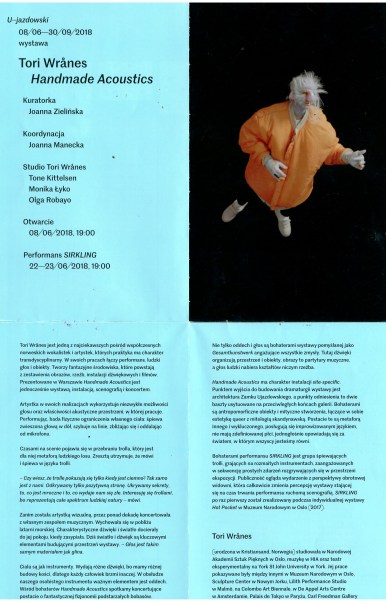
Photography workshop Darkroom (Task two)
22/10/12
Did the experience went smoothly? what did you find about the space? will you use it in the future?
To answer my task two I have decided to go and explore the workshops provided at LCC. I have signed up for a photography workshop, learning how to make photograms and normal prints.
There are two important chemicals, develop and fix with an optional step in between them. Three dishwashers are needed and they must be labelled to avoid contamination of the developer. The second step is a stop bath, the only purpose of this is to stop development by converting the print from being slightly alkaline to slightly acid. Note, water cannot be used as a stop bath. The final chemical step is fixing with a fixer solution. It is very important because it is stable to light by removing surplus silver that hasn’t been used in forming the image on the paper. The final step is to wash your prints under running water.
Photogram is a type of contact print, made without the use of a camera or negative. It is created by placing objects on light-sensitive material and then exposing it to light. To create photogram I have begun with a white light with a sheet of plexiglass, when I was satisfied with my composition of using fake plastic skeletons, strings and gun toy which I thought were quite effective I have exposed it in the darkroom. It is really important to create a dynamic composition using unique objects that evokes a very specific mood or feeling, and exemplifies a dynamic composition. The process of developing your photographic composition, is to firstly place paper in the developer tray, gently tapping the edges with tongs to ensure paper is fully submerge. By Rocking the edge of the tray to agitate the paper ensuring there are not many bubbles and processing it for at least a minute, made my photograms successful. At the end of the development process there’s a stop bath. I have taken them over to the drier, which immediately dried them for me within 3 minutes.
While working in the darkroom it was very important to be careful while mixing the chemicals, and working under darker environment in order to not poison yourself or swallow it by accident as well as wearing clothes to protect sensitive skin, a mask would also be a good idea not to breath in the chemicals mixed to use for cyanotype and prints. As well as the masks we were given airprons and protective gloves.
Shape of light exhibition at Tate Modern (Task three)
”Why should the inspiration that comes from an artist’s manipulation of the hairs of a brush be any different from that of the artist who bends at will the rays of light? ” – Pierre Dubreuil
The exhibition that I have chosen to answer my task three is the ‘Shape of Light’ in Tate Modern, which exhibits 100 years of photography and abstract art. The exhibition investigates the vitality of the relationship between photography and abstract art, as well as welcomes the audience to challenge their conventional perspective. When I entered the exhibition I have received a leaflet about the introduction, and what the exhibition is about. On the first page there was an activity which said that photography is all about finding new ways of looking at it. By choosing an artwork that I was drawn to I had to try looking at it with one eye closed, look from low down, roll up the leaflet to use it as telescope, use fingers to frame some of the sections, squint eyes to find new details. After trying doing these, I thought about these two questions ”Does looking differently change how you think about the artwork?” and ”Can you explore the world outside in the same way?”
The exhibition consisted of 12 rooms, where the paintings and sculptures reveal the changing relationship between photography and abstract art of three years commitment to Tate expanding exploration of photography. The exhibition started from 1910 and went into 1980s showing the work of some of the most famous artist like Man Ray, Kandinsky, Josef Sudek.
Imogen Cunningham: The artist that I have focused on to research about is, best known photographer for her botanical photography but also images of nudes. In the exhibition I have seen


I have used her idea to develop my own images: 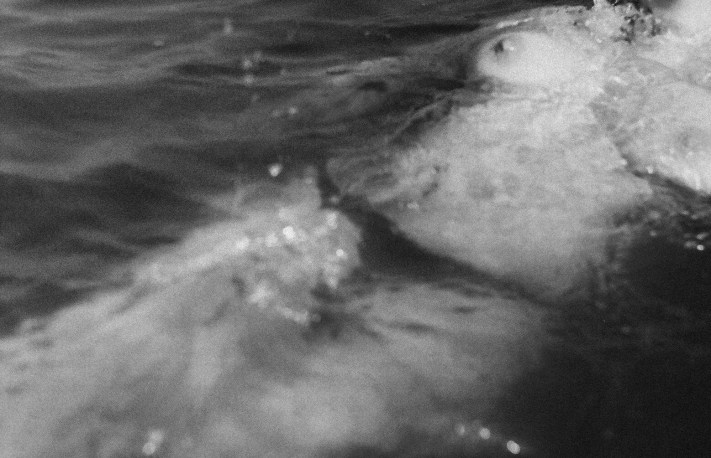
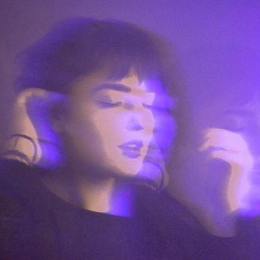
 Despite my deepest thoughts